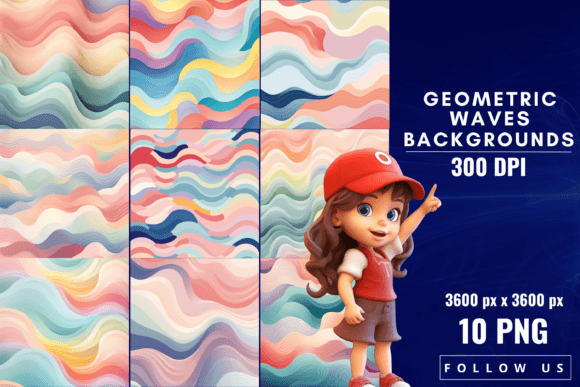
Geometric Waves Backgrounds: Modern Design in Motion
There's a specific kind of visual tension that makes a design feel alive. It's the point where order meets chaos, where the rigid precision of geometry dissolves into the fluid, organic motion of the ocean. That's the exact space occupied by Geometric Waves Backgrounds. These aren't just static patterns; they are visual stories about structure and flow, offering a sophisticated backdrop that can elevate a project from simple to striking. For designers and creators, understanding their personality is the first step to unlocking their potential.
The Visual Language of Geometric Waves
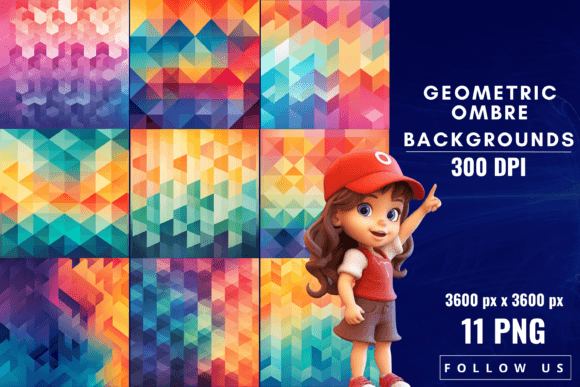
At their core, these backgrounds are an exercise in contrast. Imagine the clean, sharp lines and angles of a polygon or a tessellated pattern. Now, picture those rigid forms being gently pulled and stretched, mimicking the crest and trough of a rolling wave. The result is a design asset that feels both calculated and natural. The color palettes often lean towards calming blues, teals, and grays, but the best sets offer versatility, allowing for bold, high-contrast applications or subtle, muted tones. This duality is its greatest strength—it can convey innovation and stability simultaneously.
This style fits squarely within modern typography and contemporary graphic design trends. It avoids the fleeting nature of some fads, offering a timeless quality that balances digital precision with a hint of natural wonder. It’s a type of visual language that communicates forward-thinking sophistication without feeling cold or impersonal.
Where to Use This Dynamic Aesthetic
The true value of any design asset lies in its application. Geometric Waves Backgrounds are remarkably versatile, serving as a powerful tool across a wide spectrum of projects. Their ability to add depth and interest without overwhelming primary content makes them a favorite for both digital and print.
- Digital & Web Design: Use them as hero section backgrounds on websites to immediately capture attention. They work exceptionally well for tech startups, finance apps, or wellness brands that want to project a blend of reliability and calm. In social media graphics, they stop the scroll, providing a visually rich canvas for quotes, announcements, or promotional content.
- Brand Identity & Marketing: For a brand seeking a modern typography and aesthetic, these backgrounds can become a core element of their visual identity. Think presentation decks, email newsletter headers, or digital ads. They provide a consistent, recognizable texture that enhances brand recognition. When used in packaging design, especially for products related to technology, skincare, or beverages, they add a layer of premium sophistication.
- Editorial & Print: In editorial design, such as magazine layouts or book covers, these patterns can set a compelling mood. They act as a perfect complement to clean sans serif fonts or elegant serif typefaces, creating a clear visual hierarchy where the background supports the main imagery and text without competing for attention.
- Personal & Creative Projects: For bloggers, crafters, and hobbyists, the applications are nearly endless. They can transform a simple digital planner, a podcast cover art, or a personal portfolio into something professionally polished. They serve as an inspiring creative font—or rather, a creative canvas—for personal expression.
Practical Guidance for Implementation
Integrating a powerful background like this requires a thoughtful approach. It’s not just about placing a pretty picture behind your text; it’s about creating a harmonious relationship between all design elements.
Choosing the Right Variation
Most premium collections of Geometric Waves Backgrounds come with multiple variations. Look for sets that offer different color schemes, levels of complexity, and perhaps even subtle texture overlays. A minimalist design might call for a low-contrast, monochromatic wave, while a vibrant social media graphic could handle a more colorful and complex pattern. Always evaluate the project's mood and audience first.
Font Pairing and Readability
This is critical. The intricate nature of the background demands a typeface that can hold its own. A clean, bold sans serif font often works best for headlines, as its simplicity provides a clear anchor against the flowing geometry. For longer body text, ensure there is sufficient contrast—either by using a solid color overlay on the background area or by placing text within a clean card or container. Never sacrifice readability for style. Test your font pairing extensively to see how the letterforms interact with the waves beneath them.
Licensing and Commercial Use
Before using any design asset in a commercial project—be it for a client, a product for sale, or a monetized channel—always verify the licensing terms. A true commercial font or asset will come with a clear license that outlines permissible uses. This is a non-negotiable step in maintaining professionalism and avoiding legal issues down the line. Reputable sources will provide this information upfront.
Ultimately, Geometric Waves Backgrounds are more than just a decorative element. They are a strategic design choice. They influence how an audience perceives a brand's identity, contribute to the overall consistency of a visual campaign, and provide a sophisticated foundation for countless creative endeavors. By approaching them with intention, you can harness their dynamic tranquility to create work that truly resonates.