8 Abstract Paint Backgrounds: Vibrant Texture for Modern Design
Understanding the Visual Character
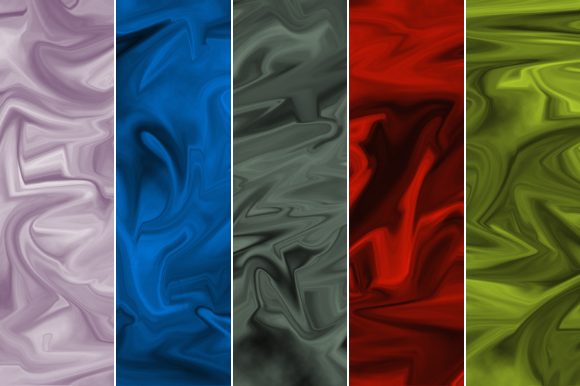
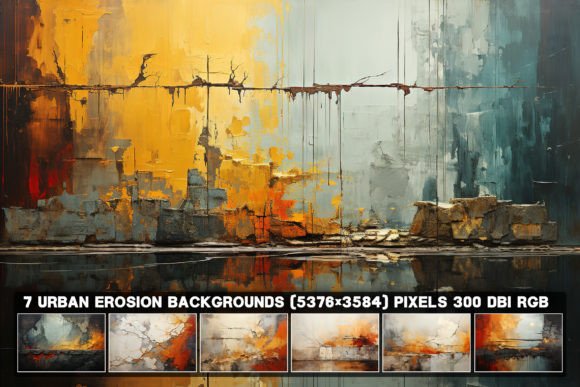
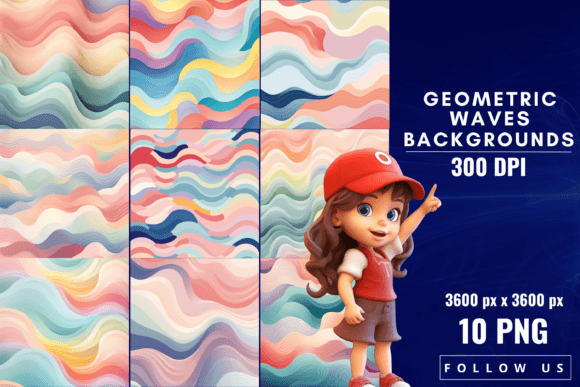
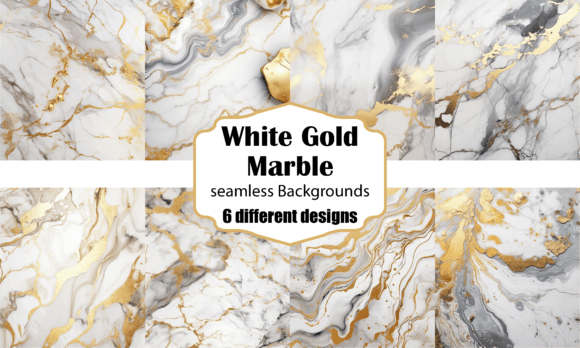
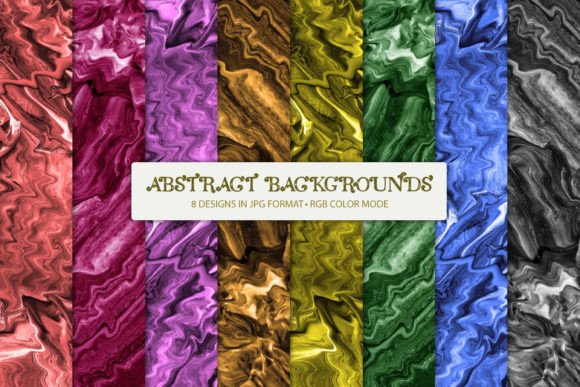
The 8 Abstract Paint Backgrounds collection offers a distinct departure from flat, digital aesthetics. These eight unique designs capture the raw energy and unpredictable beauty of physical paint. The textures are rich with visible brushstrokes, blending colors, and organic forms that feel both spontaneous and carefully composed. Each background carries its own personality—from energetic, high-contrast splashes to more blended, atmospheric washes. The style is inherently artistic, adding a layer of depth, warmth, and human touch that pure vector graphics often lack. This isn't just a pattern; it's a piece of digital art designed to inject life and emotion into your projects.
Practical Applications for Creators and Businesses
The true value of these abstract paint textures lies in their versatility. They function as more than just a pretty backdrop; they are foundational design assets that can shape the entire mood of a project. For brand identity work, one of these backgrounds could become the signature visual element for a boutique, an artisan product line, or a creative agency, instantly conveying a sense of craftsmanship and originality. In editorial design, they can transform a magazine layout, book cover, or report cover from sterile to striking, drawing the reader's eye and setting a specific tone.
- Marketing & Social Media Graphics: Use them as backgrounds for quote cards, promotional posts, or Instagram Stories to stand out in a crowded feed. The vibrant colors and organic feel are highly engaging and stop the scroll.
- Packaging Design: Ideal for labels, boxes, and tissue paper for products like cosmetics, gourmet foods, or stationery. The texture communicates quality and creativity.
- Web Design & Digital Products: Perfect for hero sections, landing page backgrounds, or as textures within digital planners and presentations. They add depth without overwhelming text when used with proper opacity or masking.
- Personal & Commercial Crafts: As specified, these are superb for invitations, scrapbook pages, and phone cases. They provide a professional, gallery-ready look that elevates DIY projects.
Each file is delivered at 12x12 inches and 300 DPI in RGB color mode, making them ready for high-quality print output as well as digital use. This ensures your social media graphics are crisp and your printed invitations are vibrant.
Integrating Texture into Your Design Workflow
Working with textured backgrounds like these requires a slightly different approach than working with solid colors or simple gradients. The key is balance and hierarchy. Since the background carries visual weight, your foreground elements—typography, logos, or product images—need to remain the clear focal point. Here’s how to achieve that effectively.
First, consider readability. Overlaying text directly onto a busy paint texture can reduce legibility. The solution is to create contrast. You might place text on a semi-transparent solid panel, use a bold, clean sans serif font or a strong serif font with a drop shadow or outline, or strategically mask the texture to create a cleaner area for your message. This is where understanding visual hierarchy becomes crucial; the texture supports the message, it doesn’t compete with it.
Second, think about font pairing. These expressive backgrounds pair exceptionally well with typefaces that have their own character but remain highly readable. A handwritten font or script font can complement the artistic flair, but it should be used sparingly for headlines. For body copy, opt for a clean, modern typeface. A premium font with multiple weights often provides the flexibility needed to create clear hierarchy against a complex background. Test your combinations thoroughly—what looks good on a white screen may need adjustment over a textured canvas.
Finally, evaluate each background’s specific color palette and energy for your project’s fit. A fiery red and orange abstract might be perfect for a bold logo design for a restaurant or a dynamic event poster. A cooler blue and green swirl could better suit a wellness brand or a nature-themed publication. Don’t hesitate to use adjustment layers in your software to tweak the hue, saturation, or contrast to better align with an existing brand identity palette. The goal is to make these assets work seamlessly within your creative vision, ensuring consistency and professionalism across all your marketing materials and web design projects.