Construction Paper Texture Backgrounds: Realistic Design Assets
There is a distinct tactile quality to design work that manages to feel handmade, even when it is entirely digital. We often spend hours trying to simulate reality on a screen, adding noise, grain, and imperfections to break away from the sterile perfection of vector shapes. If you are looking to inject a sense of grounded, organic warmth into your projects, the materials you choose as your foundation matter more than the fonts you place on top of them. This is where high-quality Construction Paper Texture Backgrounds become an indispensable part of your design toolkit.
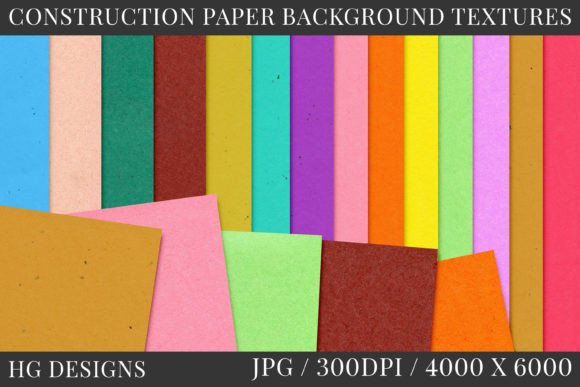
This specific collection offers a practical solution to a common problem: the lack of authentic texture in digital assets. It includes 18 distinct, real construction paper textures scanned at a high resolution. We are talking about 300dpi files sized at a massive 4000 x 6000 pixels. This is not just a small swatch tiled across a screen; it is a high-fidelity capture of the fiber, grit, and subtle color variations found in actual paper. The result is a set of backgrounds that feel warm, tactile, and immediately approachable. Unlike synthetic filters, these textures possess the "tooth" and slight irregularities that our eyes instinctively recognize as real, making them ideal for projects that require a human touch.
Visual Characteristics and Versatility
The visual personality of these backgrounds is defined by their soft grain and matte finish. They bridge the gap between a modern typography layout and a vintage aesthetic. Because the collection includes 18 different variations, you have a wide spectrum of colors and intensities to work with. This variety is crucial for brand identity work. If you are building a visual language for a children’s brand, a boutique bakery, or an eco-friendly startup, the texture of the background sets the mood before a single word is read. These textures provide a grounding element that makes bold sans-serif fonts pop and gives handwritten scripts a natural resting place.
One of the standout features of this set is the inclusion of five bonus pre-made artworks. These aren't just placeholders; they are specific illustrations—a horse, saddle, dog, bear, and flower—rendered in a style that complements the paper texture. For entrepreneurs and small business owners, this is a significant value add. It allows for rapid prototyping or the creation of immediate wall art and merchandise without needing to commission custom illustration work right away. It speaks to the practical needs of content creators who need to move fast but refuse to sacrifice quality.
Practical Applications for Modern Creators
Understanding where to deploy Construction Paper Texture Backgrounds is key to maximizing their potential. While they are obvious choices for scrapbooking and physical paper crafting, their utility in digital spaces is just as powerful.
- Social Media Graphics: In a feed dominated by flat colors and gradients, a textured background stops the scroll. It adds depth and a tactile quality that feels less corporate and more personal, which is essential for building community engagement.
- Sublimation and Printables: Because these files are 300dpi and sized for large format printing, they are perfect for sublimation projects. You can print them directly onto fabric, mugs, or coasters. The high resolution ensures the texture remains crisp and does not pixelate, even when examined up close.
- Web Design Accents: While you wouldn't use a heavy texture as a full website background (due to load times and readability issues), using these textures for hero sections, sidebars, or footer areas can soften a site's interface. They work beautifully behind logo design mockups to give the brand mark a sense of physical existence.
- Editorial and Packaging Design: If you are designing a book cover or product packaging, these textures provide an instant "premium" feel. They suggest that the product inside is crafted with care. Pairing a sleek, modern serif font with a rough paper texture creates a compelling contrast between elegance and raw material.
Integrating Texture with Typography and Branding
The relationship between a background texture and your typography is a balancing act. When using Construction Paper Texture Backgrounds, you must consider how the grain interacts with your letterforms. If the texture is too busy or high-contrast, it can fight with thin fonts, reducing readability. This is where choosing the right typeface becomes critical.
Generally, bolder weights work best. A heavy sans serif font or a slab serif will stand up to the visual noise of the paper grain. If you prefer a script font or handwritten font, ensure the texture is subtle enough not to break the strokes of the letters. A good rule of thumb is to lower the opacity of the texture slightly or choose a paper color that offers high contrast with your text color. For example, white text on a dark blue construction paper texture creates a striking visual hierarchy, while black text on a kraft-colored paper feels classic and readable.
From a brand strategy perspective, consistency is vital. If you decide to use paper textures as a core component of your design assets, commit to it. Use the same texture family across your website headers, your Instagram stories, and your email newsletters. This repetition builds recognition. It tells your audience that your brand is consistent and detail-oriented. It moves your brand away from looking like a template and towards looking like a curated experience.
Evaluating Fit and Licensing
Before integrating any asset into a commercial project, practical evaluation is necessary. With this collection, the "try before you buy" aspect is handled through the previews, but you should also consider your specific output needs.
First, check the color profiles. For digital work, sRGB is standard, but for high-end print, you may need to convert the files to CMYK and adjust the saturation, as colors can shift when moving from screen to paper. Second, consider the "grit" factor. In packaging design or editorial design, a very rough texture might look beautiful but can become visually fatiguing if used over large areas of text. Use these textures strategically—perhaps as a border or a background for a pull-quote—rather than flooding the entire page.
Regarding commercial licensing, the inclusion of these assets in a toolkit usually implies a license for end-products, but it is always your responsibility to read the specific terms. Ensure that the license covers the number of prints or the type of digital distribution you intend to use. For small business owners, ensuring your design assets are properly licensed protects you from legal headaches down the road.
Ultimately, Construction Paper Texture Backgrounds are more than just digital noise; they are a bridge to a more tactile, human-centric design aesthetic. Whether you are creating social media graphics, designing unique wall art, or refining a brand identity, these textures offer a reliable, high-quality foundation that adds depth and warmth to any creative project.