Geometric Ombre Backgrounds: Depth, Style, and Modern Canvas
In the vast toolkit of contemporary design, the background often does the heavy lifting, setting the stage for the entire composition. It's more than just empty space; it's a foundational element that communicates mood, establishes context, and guides the viewer's eye. Geometric Ombre Backgrounds represent a powerful fusion of two distinct visual languages: the structured, mathematical precision of geometry and the fluid, emotive quality of ombre color transitions. This combination results in a design asset that is both intellectually stimulating and aesthetically captivating, offering a sophisticated canvas for a wide range of creative projects.
Understanding the Visual Language
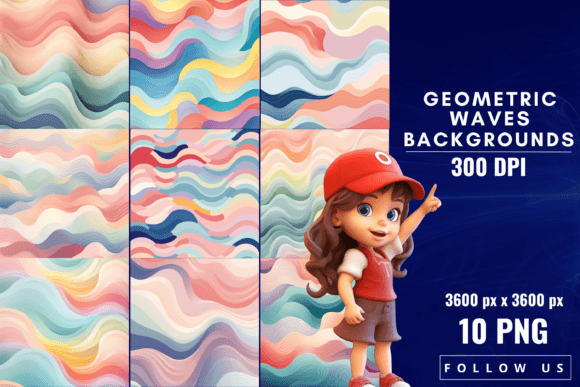
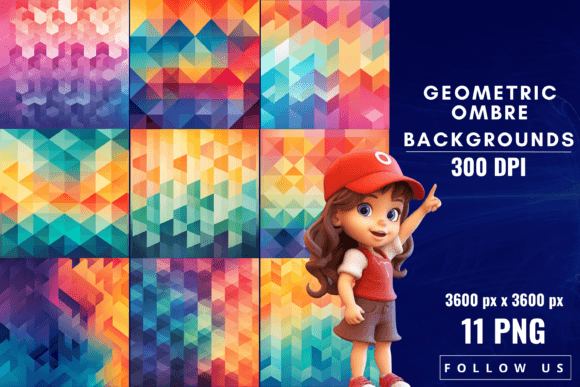
At its core, a Geometric Ombre Background is a digital file—often a high-resolution image or vector graphic—that features repeating or tessellated geometric shapes. These shapes, which can range from simple hexagons and triangles to intricate tessellations and low-poly formations, are filled with gradients that transition smoothly from one color to another. This ombre effect can be subtle, moving within a narrow color palette for a harmonious feel, or it can be dramatic, shifting between contrasting hues to create a bold statement. The personality of such a background is one of controlled dynamism. It conveys modernity, innovation, and a sense of organized complexity. The geometric patterns suggest order, technology, and precision, while the ombre blends introduce movement, depth, and a touch of organic fluidity. This duality makes it exceptionally versatile, capable of feeling both technical and artistic.
Where This Asset Truly Shines
The practical applications for Geometric Ombre Backgrounds are extensive, making them a valuable addition to any designer's library. In digital design, they are ideal for website hero sections, social media graphics, and presentation slides. A background with a subtle, cool-toned geometric ombre can add depth to a tech startup's landing page without overwhelming the copy. For brand identity, these backgrounds can be incorporated into business cards, letterheads, and brand guidelines to establish a modern and innovative aesthetic. They work particularly well for brands in sectors like fintech, architecture, creative agencies, and premium product lines that want to project a forward-thinking image.
In editorial and publishing design, a geometric ombre background can elevate book covers, magazine layouts, and report covers. It provides a visually engaging backdrop for typography, whether you're using a clean sans serif font for a minimalist report or a stylish display font for a book title. For packaging design, these backgrounds can create a premium, unboxing experience, especially for cosmetics, electronics, or specialty foods. The sense of depth and modernity they impart can significantly influence brand perception, suggesting quality and attention to detail. Even in personal projects like digital invitations, blog headers, or crafting templates, they offer a quick way to achieve a polished, professional look.
Integrating into Your Design Workflow
Choosing and implementing a premium font or design asset like a Geometric Ombre Background requires a thoughtful approach to ensure it serves the project's goals. The first step is always to evaluate the project's needs. Consider the target audience, the core message, and the desired emotional response. A background with sharp, angular geometries and a cool, monochromatic ombre might suit a financial services brand, while one with softer shapes and a warm, sunset-inspired gradient could be perfect for a wellness blog.
Testing is crucial. Before finalizing, place your text—headlines, body copy, and call-to-action buttons—over the background. Assess the readability and visual hierarchy. The background should enhance, not compete with, your content. Often, applying a slight overlay or choosing a background with less saturated colors in the area where text will sit can improve legibility. Consider font pairing carefully. A bold geometric sans serif can echo the shapes in the background, creating cohesion, while a classic serif font can provide a beautiful contrast, adding sophistication. The key is to maintain balance so the background supports the typography and overall message.
Practical Considerations for Professionals
When sourcing these backgrounds, pay close attention to the file formats and licensing. For print projects, high-resolution files (300 DPI or higher) are essential, while web projects require optimized formats for fast loading. If you plan to use the background in a commercial product—like a template you sell or on merchandise—ensure the license permits commercial use. Many design assets come with clear licensing tiers, so review them thoroughly to avoid future issues.
Think about customization. A truly versatile asset might be provided in a format that allows for color adjustments. Being able to modify the hue or saturation of the ombre gradient to match a specific brand identity color palette is invaluable. This flexibility transforms a static background into a dynamic component of your brand's visual system. Ultimately, the goal is to use these backgrounds to create a consistent, professional, and engaging visual experience. By understanding their strengths and applying them with intention, you can leverage Geometric Ombre Backgrounds to add a layer of contemporary sophistication and visual depth that resonates with your audience and elevates your work.