Watercolor Spooky Skeleton Backgrounds: A Designer's Guide
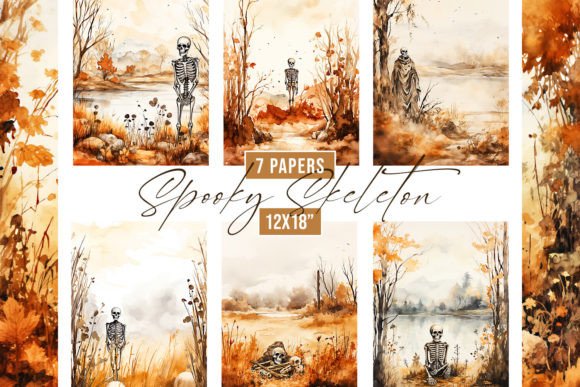
There's a particular challenge in seasonal design: how to evoke the playful spookiness of Halloween without resorting to the same tired, overly literal imagery everyone uses. You know the type—the cartoonish ghosts, the grinning pumpkins, the cobweb fonts that feel more like a party store aisle than a curated design choice. For projects that need a touch of sophistication, a hint of the macabre rendered with artistic flair, a different approach is needed. This is where the Watercolor Spooky Skeleton Backgrounds collection finds its niche, offering a blend of fine art technique and thematic relevance that stands apart.
The Aesthetic: Where Fine Art Meets the Macabre
Forget the sharp, digital edges of typical Halloween graphics. These backgrounds are built on the foundation of watercolor, a medium known for its organic flow, soft blends, and textured paper effects. The skeletons and spooky motifs aren't just pasted on; they're integrated into the washes of color, creating a sense of depth and artistic intention. The color palettes often move beyond basic orange and black, incorporating muted purples, deep blues, grays, and even eerie greens that feel more like a twilight scene than a midday fright fest.
This gives the collection a versatile personality. It can be elegant and moody for a upscale Halloween dinner invitation, or whimsical and textured for a child's storybook project. The watercolor style inherently adds warmth and a handcrafted feel, which softens the inherent eeriness of the skeleton motif. It's a creative font in the sense of being a design asset that communicates a specific mood—the same way a script font or handwritten font would. The "font" here is the visual texture itself, a background that sets a tone before a single word of type is added.
Practical Applications for Creators and Businesses
The true value of any design asset is its utility. For a graphic designer or a small business owner, these backgrounds are more than just seasonal decorations; they are foundational elements for a range of projects. The included specs—7 printable digital backgrounds at 12x18 inches / 3600x5400 pixels, 300 DPI JPG files—make them immediately practical for high-resolution output.
Consider the entrepreneur launching a limited-edition fall product line. These backgrounds could serve as the textured canvas for packaging design, making labels for artisanal soaps or gourmet treats feel bespoke and curated. For the blogger or content creator, they transform into engaging social media graphics. Use them as a base for Instagram stories promoting a Halloween-themed blog post or sale, layering clean sans serif font text over the textured art for maximum readability and impact.
The applications extend deeply into the craft and publishing worlds, which is where this set truly shines:
- Invitation & Card Making: Create stunning, gallery-quality invitations for Halloween parties, themed weddings, or gothic events. The high resolution ensures crisp printing.
- Junk Journaling & Scrapbooking: The 12x18 inch size is perfect for full-page spreads or as a background for collages, offering a rich, textured base that adds instant depth to projects.
- Digital & Print Publishing: Use them as chapter backgrounds in a spooky ebook, as a website header for a seasonal promotion, or as the backdrop for a themed magazine layout in editorial design.
- Brand Identity & Marketing: For businesses in the entertainment, bakery, or boutique space, these backgrounds can inform a seasonal brand identity, providing a consistent, atmospheric look across all touchpoints.
Integrating Assets into Your Design Workflow
Adopting a new design asset like this requires a bit of strategic thinking. It's not just about slapping it onto a canvas. First, evaluate the project's needs. Is the goal to be frightening, or charmingly spooky? The watercolor style leans toward the latter, making it ideal for projects targeting a broad audience, including families and those who prefer aesthetic subtlety.
When it comes to typography, pairing is key. The detailed, organic nature of the background calls for type that provides strong contrast. A clean, geometric sans serif font often works beautifully, offering modern clarity against the vintage texture. For a more classic or elegant feel, a refined serif font with good x-height can also work, especially for titles. Avoid overly ornate or busy display fonts that might compete with the background's detail. Think of the skeleton background as the premium font—the star of the show—and your type choices as the supporting cast that ensures the message is communicated clearly.
Practical testing is non-negotiable. Always place your text on the background and zoom to 100% to check readability. The watercolor washes create natural areas of light and dark; use this to your advantage by placing text over a more uniform, lighter section. For commercial projects, the licensing is straightforward—these are high-resolution files meant for both personal and commercial use, giving freelancers and agencies the freedom to incorporate them into client work without legal guesswork.
In the end, the Watercolor Spooky Skeleton Backgrounds offer a solution for a common creative problem: how to be seasonal without being cliché. They provide a sophisticated, textured foundation that elevates projects from simple crafts to considered modern typography and design compositions. By understanding their visual language and applying them with thoughtful typography and layout, you can create work that feels both timely and timeless.