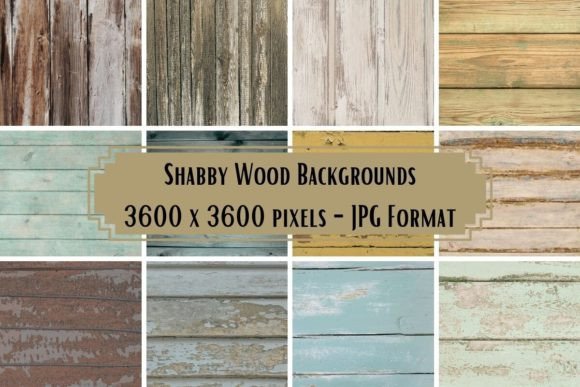
Shabby Wood Backgrounds: A Designer's Guide to Rustic Texture
There's a specific kind of warmth that only real, weathered wood can convey. It speaks of history, craftsmanship, and a grounded, authentic feel. In our digital world, capturing that tangible texture is a powerful tool for any creator. This is precisely where a versatile asset like a set of Shabby Wood Backgrounds becomes indispensable. It’s not just a collection of images; it's a foundational element for building a visual narrative that feels both personal and professional. Let’s explore how to leverage these textures effectively across your projects.
Understanding the Shabby Wood Aesthetic
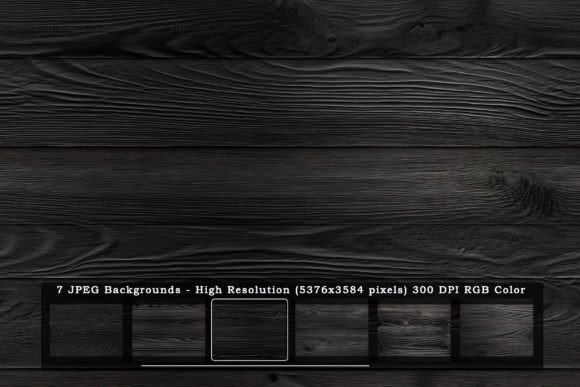
The term "shabby" in this context refers to a beautifully distressed, time-worn look. Think of sun-bleached barn wood, a well-loved farmhouse table, or the textured surface of reclaimed timber. These backgrounds are characterized by visible grain, subtle knots, and a palette that often includes soft grays, warm taupes, and muted whites. This isn't the polished, uniform wood of modern furniture; it's wood with a story. The personality of these backgrounds is inherently nostalgic, rustic, and approachable. They provide a sense of stability and organic warmth that synthetic or minimalist textures often lack. For a designer, this style offers a ready-made mood board, instantly setting a tone that is cozy, authentic, and a little bit imperfect in the most charming way.
Practical Applications: Where Texture Makes a Difference
The true value of any design asset lies in its application. A set of Shabby Wood Backgrounds is remarkably versatile, serving as a silent partner in numerous creative fields. Its utility extends far beyond a simple backdrop; it actively shapes the perception of the content placed upon it.
Crafting and Personal Projects
For hobbyists and crafters, this is where the magic begins. In scrapbooking, these digital papers provide a perfect foundation for photo collages, adding a layer of texture that mimics the feel of a physical album. For card making and invitations, particularly for weddings, rustic events, or baby showers, a shabby wood background sets an immediate and inviting theme. It pairs beautifully with script fonts or handwritten fonts for a personal, heartfelt touch. Imagine a wedding invitation where the elegant calligraphy sits upon a soft, gray-washed wood plank—the combination is both sophisticated and intimate.
Brand Identity and Marketing
For entrepreneurs and small business owners, texture can be a key differentiator in brand identity. A brand that values sustainability, handcrafted quality, or a down-to-earth ethos can integrate shabby wood textures into its logo design presentation, website hero images, or product packaging. A café, a boutique farm-to-table restaurant, or a handmade soap company could use these backgrounds in their social media graphics to create a cohesive and recognizable visual language. The texture communicates a set of values—authenticity, care, and tradition—without a single word. It’s a subtle but powerful element of modern typography and design strategy.
Digital and Editorial Design
In the realm of web design and editorial design, these backgrounds can be used strategically to break up content, highlight featured articles, or create visually engaging sidebars. A blog focused on DIY projects, home renovation, or lifestyle content could use a shabby wood texture as a background for pull quotes or author bios. When used in packaging design, it can make a product feel more tangible and premium, especially for artisanal goods. The key is restraint; using the texture to accent, not overwhelm, ensures the visual hierarchy remains clear and the content is the star.
Integrating Texture for Maximum Impact
Simply dropping a wood texture behind your content isn't enough. To truly harness its potential, consider these practical design principles. The goal is to enhance readability and strengthen your message, not compete with it.
- Evaluate Project Fit: Before using the background, ask yourself if the rustic aesthetic aligns with your project's core message. It's perfect for a vintage-themed brand or a cozy recipe blog, but might clash with a sleek, futuristic tech startup. The texture should support, not contradict, your narrative.
- Master Font Pairing: The character of the background demands thoughtful typography. A clean sans serif font for body text can provide excellent contrast and readability, preventing the design from feeling too "themed." For headlines, a strong serif font or a bold display font can create a compelling focal point. Avoid overly ornate or thin fonts that might get lost in the wood grain.
- Consider Color and Contrast: Pay close attention to the color of your text and graphic elements against the background. If the wood has a lot of variation in tone, you may need a semi-transparent overlay or a text box to ensure your message is legible. Using colors drawn from the background's own palette (like a deep brown or a soft cream) can create a harmonious and professional look.
- Check Licensing for Commercial Use: A crucial step for any professional. This set of 12 digital papers, at a high 300 dpi resolution, is perfect for both digital and print applications. Always confirm the license allows for commercial use if you're creating assets for a business or client, such as logo design mockups or product packaging. This ensures your work is both beautiful and legally sound.
Ultimately, a set of Shabby Wood Backgrounds is more than just a decorative element. It is a versatile creative font for your visual projects—a foundational texture that can add depth, character, and a powerful sense of authenticity. By understanding its personality and applying it with intention, you can transform a simple design into a memorable and engaging experience for your audience, whether it's on a physical invitation, a social media feed, or a product label.