Unleashing Creativity: The Versatility of Pastel Leopard Backgrounds
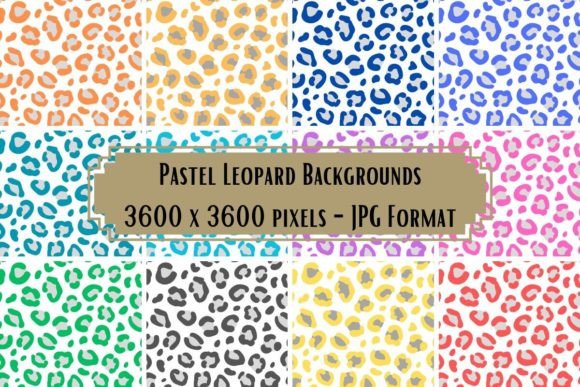
There’s a distinct energy that comes from blending the raw, instinctual beauty of animal prints with the soft, calming palette of pastels. It creates a visual tension that is both sophisticated and playful, a combination that many designers and creatives are constantly seeking. This particular aesthetic, often centered around a Pastel Leopard Background, moves away from the aggressive, high-contrast spots typically seen in nature. Instead, it offers a gentler approach—think dusty pinks, sage greens, soft lavenders, and creamy yellows replacing the traditional tans and blacks. This shift transforms the leopard print from a symbol of the wild into a versatile design asset that feels modern, fresh, and incredibly adaptable.
When you are working on a project that demands personality without overwhelming the viewer, these backgrounds become indispensable. They provide a textured foundation that adds depth to a layout without competing for attention against typography or focal imagery. Whether you are a brand strategist looking to soften a corporate identity or a crafter aiming for a trendy aesthetic, understanding how to leverage these backgrounds is key to elevating your work.
Visual Characteristics and The "Modern Romance" Style
The appeal of this collection lies in its ability to balance whimsy with structure. Visually, the spots are organic and irregular, which prevents the design from feeling too rigid or mechanical. When rendered in pastel tones, the print takes on a "watercolor" or "hand-painted" quality. This is crucial for brands that want to appear approachable and human. It avoids the stiffness of geometric patterns and instead invites the viewer in with a warm, organic embrace.
This style fits perfectly into the current trend of modern typography that favors clean lines and readability. Because the background is visually busy—albeit softly—it creates a fantastic canvas for contrast. For instance, a bold serif font with sharp edges can look stunning against the soft curves of the leopard spots. Similarly, a clean sans serif font can maintain a minimalist, high-fashion vibe when placed over these pastel textures. The "personality" of the background is inherently luxurious but accessible, making it a go-to for high-end aesthetics that still need to feel relatable to a broad audience.
Strategic Applications Across Industries
The utility of a high-quality Pastel Leopard Background extends far beyond simple scrapbooking, though it excels there as well. For the modern entrepreneur and content creator, these backgrounds serve as a powerful tool for visual storytelling. Here is how different professionals can integrate these assets into their workflow:
- Social Media Graphics and Marketing: In the fast-scrolling world of Instagram or Pinterest, stopping the thumb is the primary goal. A pastel leopard texture used as a background for quote cards, sale announcements, or product spotlights adds instant visual interest. It signals "trend-aware" without being cliché. It pairs exceptionally well with script fonts or handwritten fonts for lifestyle branding, creating a cohesive look that followers will instantly recognize.
- Packaging and Product Design: For small business owners selling cosmetics, jewelry, or stationery, packaging is the first touchpoint. Using these digital papers for box inserts, tissue paper patterns, or label backgrounds can elevate a product from "homemade" to "boutique." The pastel palette suggests gentleness and care, which is ideal for beauty or wellness products.
- Editorial Design and Blogging: Bloggers and publishers can use these backgrounds to break up long blocks of text. They work beautifully as a "pull quote" background or a sidebar texture. Because the files are high resolution (300 dpi), they translate seamlessly from screen to print, ensuring that a blog design can be repurposed into a physical lookbook or media kit without losing quality.
- Printables and Invitations: For event planners and stationers, the 12x12 inch format is standard for digital scrapbooking, but it scales perfectly for invitations. Whether it’s a bridal shower, a baby shower, or a birthday party, the soft leopard print adds a touch of trendy flair that solid colors simply cannot match.
Design Strategy: Readability, Hierarchy, and Brand Perception
While a Pastel Leopard Background is visually appealing, it requires a thoughtful approach to visual hierarchy. The goal is to ensure that your message remains the hero of the design. Because the background contains organic shapes, there is a risk of text getting lost if the contrast is too low.
Readability considerations are paramount here. When overlaying text, consider using a semi-transparent shape—like a white box or a soft cream circle—to house your typography. This creates a "safe zone" for your display font or body copy. Alternatively, choose typefaces that have a heavy weight or bold stroke. A thin, light font might disappear into the soft spots, whereas a bold creative font will stand its ground.
Regarding brand perception, consistency is key. If you choose to use these backgrounds for your brand identity, ensure they are part of a larger system. Do not just use them randomly. For example, use the specific pastel pink leopard print for all "sale" communications, or use the sage green version for "educational" content. This creates a subconscious visual language for your audience. They begin to associate the texture with specific types of value you provide, enhancing brand recognition and professionalism.
Practical Guidance for Implementation
To get the most out of this set of digital papers, you need to treat them as professional design assets. Here are practical tips for integrating them into your projects:
- Evaluate Project Fit: Not every project suits an animal print. Assess the tone of your content. If you are designing a corporate law firm brochure, this might be too playful. However, for a fashion boutique, a wellness coach, or a creative agency, it strikes the perfect chord.
- Testing Font Pairings: Don't settle for the first typeface you pick. Test various combinations. Try pairing the background with a modern serif font for a "fashion editorial" look. If you want something more casual, a rounded sans serif font works well. For a feminine touch, a delicate script font can mimic the flow of the spots.
- Color Coordination: Use a color picker tool to sample colors directly from the background. Use these sampled colors for your text, borders, and icons. This ensures that your typography feels "native" to the design rather than pasted on top of it.
- Commercial Licensing: Always verify the usage rights. A premium font or background asset usually comes with a license that covers both personal and commercial use. This is vital if you are creating items for resale, such as planners, mugs, or t-shirts. Knowing your assets are cleared for commercial use protects your business legally.
The Role of Texture in Digital and Print Media
In an era dominated by flat design and vector graphics, texture is making a significant comeback. A Pastel Leopard Background offers a tactile sensation even in a digital format. It suggests that there is substance behind the screen. For web design, using these textures sparingly—as a hero section background or a footer element—can break the monotony of flat color blocks and make a website feel more immersive.
For print media, the 300 dpi resolution ensures that the print is crisp and the ink saturation is accurate. When you print these backgrounds on physical media, the pastel tones should remain true to the screen, provided your printer is calibrated. This fidelity is what separates amateur crafts from professional packaging design. It ensures that the "softness" of the pastel palette doesn't turn into a muddy mess on paper.
Ultimately, the value of this collection lies in its flexibility. It is not just a pattern; it is a mood setter. It allows designers, marketers, and hobbyists