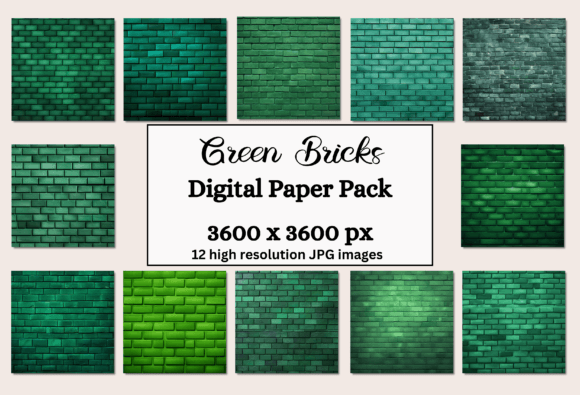
Elevate Your Designs with Green Brick Texture Backgrounds
When you need to ground a design with something that feels both organic and structured, the answer often lies in texture. Specifically, the unique appeal of Green Brick Texture Backgrounds offers a sophisticated solution for creatives who want to move beyond flat, solid colors. These digital papers capture the essence of aged masonry but infuse it with a fresh, verdant palette. The result is a visual asset that feels grounded in history but styled for modern trends. You aren't just adding a background; you are introducing a layer of depth and personality that flat graphics simply cannot achieve. This collection is designed for those who appreciate the nuance of premium design assets, providing a rich visual foundation that complements rather than overwhelms your primary content.
The Visual Character of Green Brick
Understanding the specific visual language of these backgrounds is key to using them effectively. Unlike a standard red brick texture, the green variation introduces an element of the unexpected. The palette often ranges from deep forest greens and mossy hues to brighter, more energetic emeralds. This color shift changes the entire mood of the piece. Where red brick can feel industrial or urban, green brick feels natural, rustic, and slightly mysterious.
The texture itself is where the quality truly shines. High-quality artwork, such as the collection described here, ensures that the "grit" of the mortar and the surface irregularities of the bricks are captured with sharp clarity. You will notice intricate details—tiny cracks, subtle shading, and the interplay of light and shadow across the surface. This level of detail is crucial for modern typography and design because it provides a complex backdrop that can make foreground elements pop. Whether you are working on web design or packaging design, these textures add a tactile quality to the screen, inviting the viewer to look closer.
Practical Applications for Creators and Brands
The versatility of Green Brick Texture Backgrounds makes them a valuable addition to any creative toolkit. Their application extends far beyond simple scrapbooking, although they are certainly perfect for that.
- Social Media Graphics and Marketing: For marketers and entrepreneurs, standing out in a crowded feed is a daily challenge. Using a textured background instantly differentiates your posts from the sea of generic stock photos. Imagine a quote graphic or a promotional sale announcement set against this rich green texture. It creates immediate visual interest and stops the scroll. It is particularly effective for brands in the wellness, sustainability, or artisanal food spaces, where a connection to nature is paramount.
- Editorial and Publishing Design: In the world of editorial design, texture adds atmosphere. These backgrounds can serve as chapter dividers in a book, the backing for a magazine spread, or the canvas for a digital newsletter. They provide a sophisticated stage for typography. Whether you are using a bold display font for headlines or a clean sans serif font for body copy, the texture provides depth without sacrificing readability, provided you manage the contrast correctly.
- Brand Identity and Packaging: A brand’s visual language relies on consistency. If your brand identity leans towards the vintage, the eco-friendly, or the handcrafted, these textures can become a core component of your style guide. They work beautifully on product labels, business cards, and website headers. They suggest that a brand is established, thoughtful, and detail-oriented—qualities that build trust with consumers.
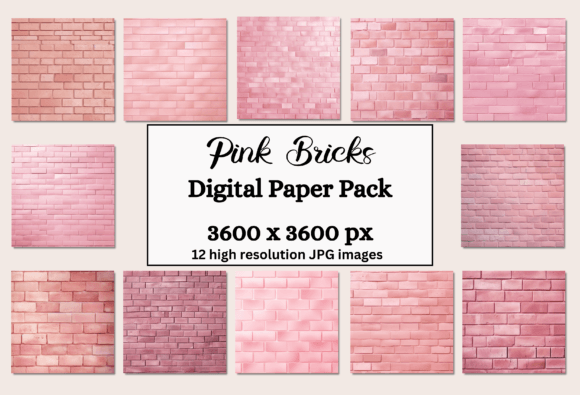
- Personal Projects and Junk Journaling: For hobbyists and crafters, these digital papers offer endless possibilities. They are ideal for creating custom inserts for junk journals, digital stickers, or printable wall art. The high resolution (3600 x 3600 pixels) means you can resize them for large prints without losing the sharp lines and rich colors, ensuring your handmade projects look professional.
Design Strategy: Using Texture to Influence Perception
Texture is not just decoration; it is a tool for communication. The use of Green Brick Texture Backgrounds influences how an audience perceives a message. Green is psychologically associated with growth, renewal, and calm. By combining this color with the structural strength of a brick pattern, you create a subconscious message of "stable growth" or "enduring nature." This is a subtle but powerful way to shape brand perception.
When integrating these textures into your workflow, consider the hierarchy of your design. The texture should support your content, not fight it. If you are overlaying text, ensure there is sufficient contrast. You might use a semi-transparent overlay or a text box to separate your serif font or script font from the busy background. This maintains readability while preserving the aesthetic appeal of the texture.
Pairing Typography with Texture
Choosing the right font pairing is essential when working with textured backgrounds. Because the background already has a lot of visual information, your typography needs to be distinct.
- Bold Display Fonts: A heavy, geometric display font can look striking against the irregular lines of the brick. It creates a modern, industrial contrast.
- Handwritten and Script Fonts: To lean into the rustic, organic feel of the green palette, a handwritten font or script font works beautifully. It mimics the imperfection of nature and adds a personal touch, perfect for invitations or boutique branding.
- Clean Sans Serifs: For a more contemporary look, pair the texture with a clean, wide-spaced sans serif font. This balances the "grit" of the background with the sleekness of modern typography.
Technical Considerations and Workflow Tips
When incorporating Green Brick Texture Backgrounds into your projects, keep a few technical details in mind to ensure the best results.
First, remember that these are digital files. The colors you see on your screen may vary slightly depending on your monitor's calibration. When preparing files for print, it is always wise to do a test print or check your color profiles (CMYK vs. RGB) to ensure the green translates accurately to paper. However, because these are high-quality JPG files optimized for print, you can be confident in the fidelity of the artwork.
Second, consider the versatility of the asset. While they are marketed as backgrounds, think of them as design elements. You can crop them, tile them, or use them as masks for text effects. For logo design, a subtle brick texture inside the letterforms can add a unique, tactile quality that sets a brand apart. For social media graphics, you can use them to create cohesive story highlights or cover images that unify your visual feed.
Finally, think about the "gift" aspect of digital art. If you are a designer creating assets for a client, or a crafter making a scrapbook for a friend, the quality of the materials matters. Using premium assets like these ensures that the final product looks polished and professional. It shows a commitment to quality that reflects well on you as the creator.
A Final Thought on Creative Assets
The right background can transform a project from mundane to memorable. Green Brick Texture Backgrounds offer a specific aesthetic that bridges the gap between the natural world and the built environment. They are versatile enough for a corporate presentation yet charming enough for a personal journal. By understanding their visual weight and pairing them thoughtfully with typography, you can unlock a new level of creativity in your designs. Whether you are revamping a website, designing a logo, or crafting a social media campaign, this collection provides the foundation for work that feels authentic, textured, and visually engaging.